Getting to Know the Non Nuoc Stone Craft Village Before You Visit
The Non Nuoc stone village is a craft village at the foot of the Marble Mountains, recognised as national intangible heritage in 2014. The guide gives its history and scale according to the press, how it differs from the scenic area, visiting tips and a half-day plan.
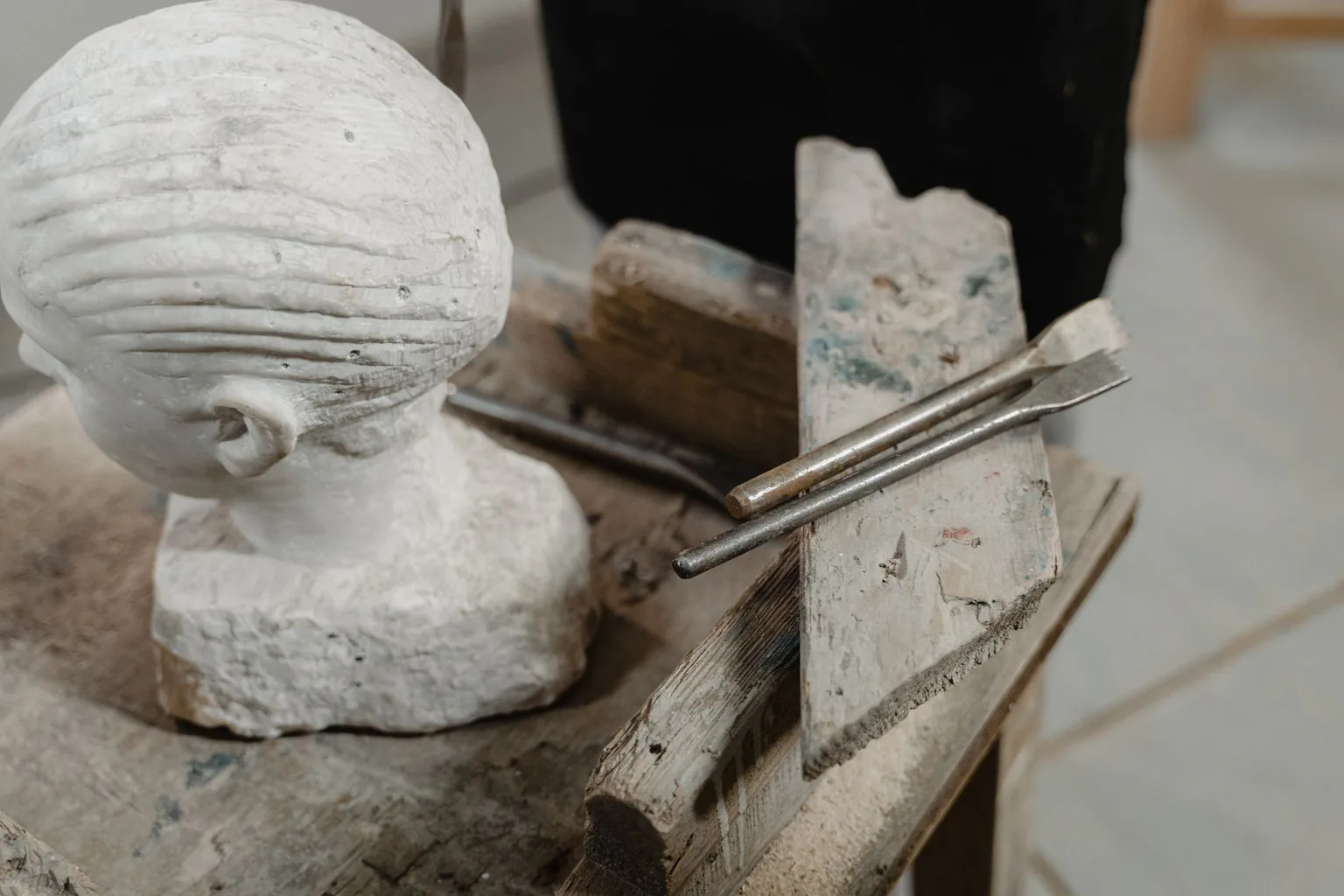
Table of Contents (5 sections)
The Non Nuoc stone craft village lies at the foot of the Marble Mountains and was recognised as a national intangible cultural heritage in 2014. It is a craft village of workshops and shops, different from the scenic area, which is the mountains themselves, so go expecting to watch the craft and to ask about transport if you plan to buy anything heavy. This guide covers the history and scale of the craft according to the press, how to tell the village from the scenic area, what to keep in mind when you visit and how to fit it into a half-day plan.
History and the craft
According to the newspaper Tuoi Tre (posted 14 October 2017), master craftsman Nguyen Viet Minh said the Non Nuoc stone village arose more than 300 years ago; the first products were practical objects such as pestles, mortars and gravestones. The same article says the Marble Mountains are built on marble, which is why a stone trade took hold in the area. It also says that in 2014 the village was recognised as a national intangible cultural heritage, and that the craft village’s management board then reported more than 500 workshops and more than 6,000 people working in the trade. These are 2017 figures, so this guide does not use them to describe today.
The article also says that quarrying stone in the Marble Mountains is completely banned. In practice: if you care where a workshop’s stone comes from, ask directly; we have no source on where workshops obtain stone now.
The craft village is not the scenic area
The craft village is the workshops and shops at the foot of the mountains; the Marble Mountains scenic area is the peaks and caves. The two are next to each other but serve different purposes: in the village you watch chiselling, grinding and finishing, while in the scenic area you walk, climb steps and see the caves. We found no official source on tickets, hours or whether workshops charge to watch, so ask on the spot or before your trip. How to allow time for the scenic area is in the guide to how long to spend at the Marble Mountains.
What to keep in mind when you visit
This guide names or rates no particular workshop because we have not checked whether each one is operating. The following are editorial suggestions:
- Many workshops have stone dust and machine noise; wear closed shoes and keep away from areas where people are chiselling or grinding.
- Ask before photographing people at work.
- Stone pieces are heavy and fragile: ask the workshop about packing and shipping before you buy. Whether a private car can carry a piece depends on the 4-, 7- or 16-seat vehicle and on the number and size of your group’s bags, so say so when you book if you plan to buy something large.
Fitting it into a half-day plan
The rate table has a programme Da Nang to Linh Ung - Non Nuoc and back to Da Nang, half a day of 4 to 5 hours (a multi-stop programme); see the Da Nang to Linh Ung and Non Nuoc half-day car tour. The programme page describes the stops as Linh Ung pagoda at Bai But and the Marble Mountains scenic area; whether the stone village is part of the plan is not stated, so say so when you send your request so dispatch can confirm the time and the order of stops. From Hoi An, Hoi An to the Marble Mountains is about 20 km and 30 minutes one way in the rate table; see the page for a private car from Hoi An to the Marble Mountains. If you also want the Son Tra peninsula, see the half-day Son Tra and Marble Mountains tour.
What to send
- Your pickup point in Da Nang or Hoi An (cars can enter the gates of hotels and resorts to pick up and drop off) and the final drop-off point.
- How long you want at the stone village, and whether you plan to buy something large so dispatch can consider the vehicle size.
- The number of passengers, whether older relatives or young children travel, the suitcases and the 4-, 7- or 16-seat vehicle.
- The other stops in your plan and the time you want to be back.
Common questions about visiting the Non Nuoc stone craft village
How old is the Non Nuoc stone village and is it recognised?
According to Tuoi Tre on 14 October 2017, the village arose more than 300 years ago, and in 2014 it was recognised as a national intangible cultural heritage.
How is the stone village different from the Marble Mountains scenic area?
The craft village is the workshops and shops at the foot of the mountains, where you watch the stone being chiselled and ground; the scenic area is the peaks and caves for walking and climbing steps. They are next to each other but serve different purposes.
Do I need a ticket or pay to watch at the craft village?
We found no official source on tickets, hours or fees at the workshops. Ask on the spot or before your trip.
Can a private car carry a large stone statue I want to buy?
It depends on the 4-, 7- or 16-seat vehicle and on the number and size of your group's bags. Ask the workshop about packing and shipping, then say so when you book so dispatch can confirm the vehicle.
Does the Linh Ung - Non Nuoc half-day tour include the stone village?
The programme page describes the stops as Linh Ung pagoda at Bai But and the Marble Mountains scenic area, and does not list the stone village. Say so if you want to stop there so dispatch can confirm the time and the order of stops.
📚 More Travel Guides