Things to Do in Hue Beyond the Citadel and Royal Tombs
Beyond the Citadel and imperial tombs, discover Hue through regional cuisine, Buddhist sanctuaries, countryside cycling, French colonial heritage and crafts.
Table of Contents (4 sections)
The Imperial Citadel and royal tombs typically form the central axis of a trip to Hue, but they are far from the only reason to linger in the former capital. Here is what else to do outside the imperial palaces, with the practical details to check for each. The guide refrains from endorsing specific commercial eateries or shops; primary sources include the travel records guide to Hue and press reports cited in each section, cross-referenced as of October 4, 2026.
Choosing Activities by Personal Interest
| Your travel interest | What to know | What to confirm beforehand |
|---|---|---|
| Savoring Hue regional cuisine | travel records highlights Dong Ba market for fresh local ingredients, alongside popular traditional light dishes such as banh khoai crispy pancakes and banh beo steamed rice cakes | Menu selections, pricing, and operating hours at selected eateries |
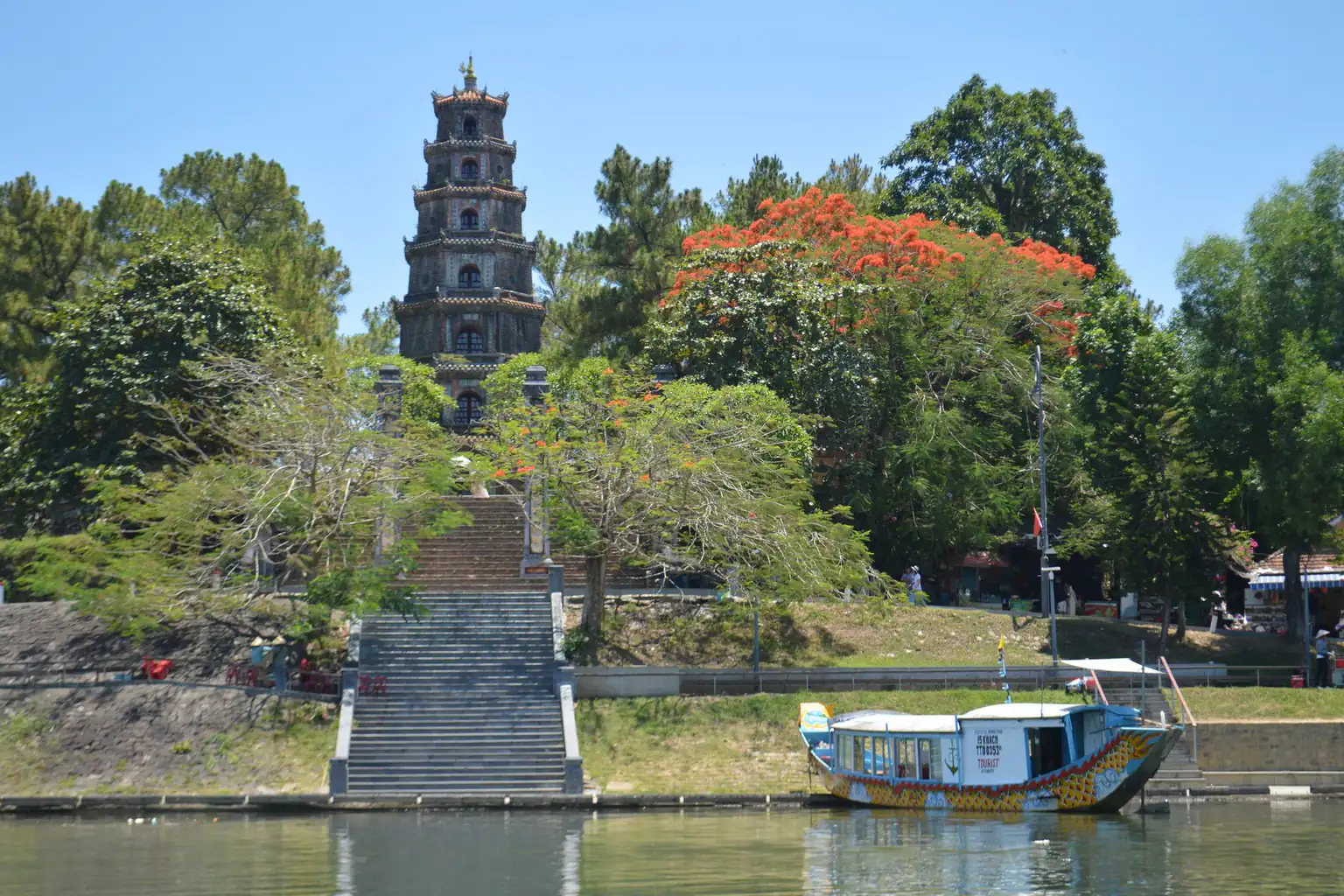
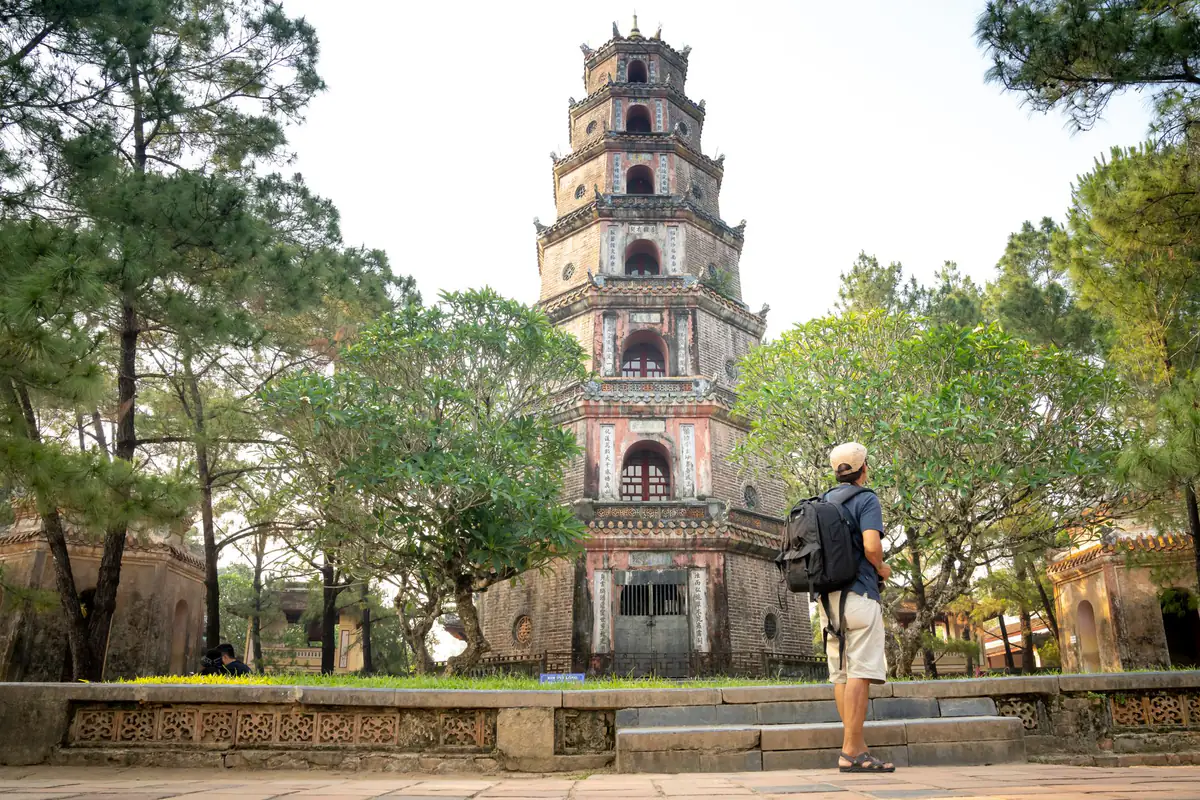
| Exploring Buddhist heritage | Thien Mu Pagoda with its seven-storey octagonal tower; Tu Hieu monastery, where travel records notes Zen master Thich Nhat Hanh once practiced as a novice monk | Visiting hours, respectful modest dress code, and monastic sanctuary rules |
| Countryside bicycle touring | The cycling route to Thanh Toan tile-roofed bridge through vegetable gardens, footbridges, and duck flocks is described by travel records as one of the region’s most appealing routes | Route distances, bicycle rental arrangements, and weather forecasts |
| Observing French colonial architecture | Le Loi street featuring art deco architecture and the distinctive deep-red buildings of Quoc Hoc High School () | The school is an active educational institution, so observe from outside unless public access is officially announced |
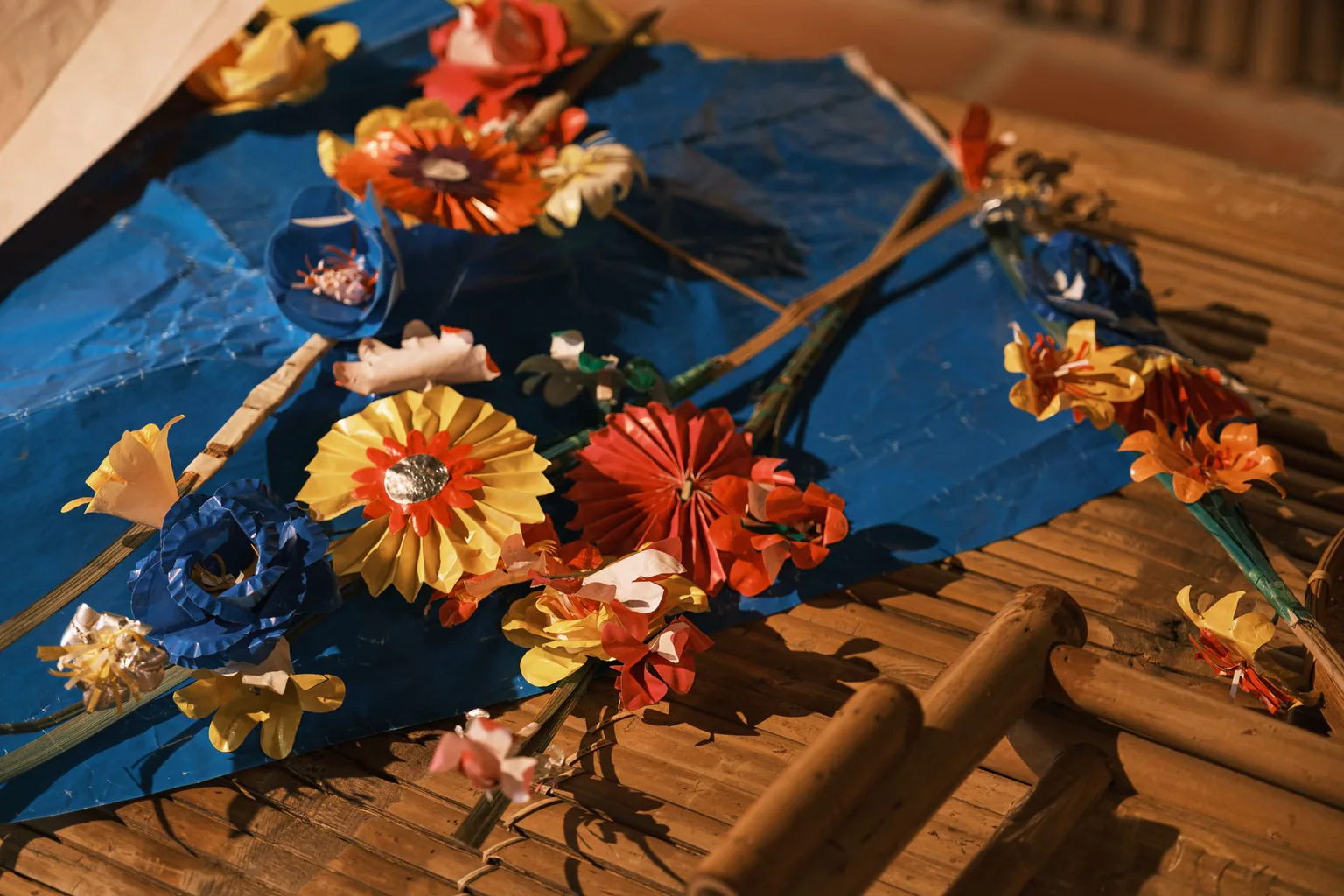
| Learning traditional handicrafts | Thuy Xuan incense village, Thanh Tien paper flower village, and other artisanal trades (detailed in our dedicated craft overview) | Workshop availability, operating hours, and session costs |
Regarding traditional crafts, Bao Van Hoa (January 4, 2023) describes Thuy Xuan incense village as situated along an established tourism corridor connecting Tu Duc tomb, Vong Canh hill, and Tu Hieu pagoda; in-depth details are provided in our guide to traditional crafts and artisan villages in Hue.
Evening Activities After Imperial Heritage Monuments Close
Hue’s imperial monument sites conclude daytime visitor services at 18:30 during the summer season (March 16 to October 15) and at 18:00 during the winter season (October 16 to March 15). From approximately 18:00 onward, the activity categories in the table above—particularly leisurely evening dining and strolls along the Perfume River—offer natural ways to experience the relaxed pace of the city. For evening cultural stage shows, check current performance schedules directly at the venue before booking.
Rainy Season: Which Activities Require Early Adjustments
travel records notes that rainfall in Hue begins in August and can persist through January, with municipal flooding most common from October onward. Rural countryside cycling and open-air riverside walks are impacted first; indoor dining and pagoda visits can be rescheduled more flexibly within the day. If travelling during these late-year months, maintain an indoor backup option for each half-day and read our guidance on Central Vietnam storm season and schedule management.
How to Position These Activities in Your Overall Itinerary
For the basics, see Hue for first-time visitors and our in-depth article on visiting the Citadel and Imperial City. If travelling from Da Nang on a single-day round trip, driving 100 km each way leaves limited remaining hours for leisurely pursuits; in that case, focus on a single secondary interest, or consider an overnight stay with our Da Nang to Hue in 2 days 1 night private car itinerary. To review transfer routes and pricing, explore our private car from Da Nang to Hue.
Frequently Asked Questions About Choosing Activities in Hue
To enjoy Hue beyond the Citadel, what is the starting price of a private car from Da Nang?
Current starting rates for Da Nang → Hue (tunnel BOT toll included): 4-seat car from US$59, 7-seat car from US$68 and 16-seat van from US$95. The listed price includes fuel, road tolls and parking; Sun Travel quotes the final fare based on your pickup and drop-off points, itinerary and departure time.
What activities can travellers enjoy in Hue beyond the Citadel and royal tombs?
Beyond the imperial citadel and royal tombs, Hue offers a rich variety of experiences including regional culinary discovery (Dong Ba market, banh khoai pancakes, banh beo rice cakes, bun bo Hue), serene pagoda visits (Thien Mu, Tu Hieu), countryside cycling to Thanh Toan tile-roofed bridge, admiring colonial architecture along Le Loi street, and exploring craft communities such as Thuy Xuan incense village and Thanh Tien paper flowers.
Which specialty dishes should travellers experience when visiting Hue?
Hue is celebrated for traditional savory snacks like banh khoai crispy pancakes, banh beo, banh nam, and banh loc, along with authentic bun bo Hue noodle soup and com hen baby clam rice. You can also explore local food stalls in Dong Ba market. Always check displayed menus and pricing before ordering.
What should travellers keep in mind when cycling to Thanh Toan tile-roofed bridge?
The route to Thanh Toan tile-roofed bridge spans roughly 7–8 km from central Hue, passing through peaceful countryside scenes of rice fields and garden footbridges. Enquire with your hotel regarding recommended bicycle routes, carry drinking water, and check seasonal weather forecasts as Hue experiences substantial rainfall from October onward.
What can travellers do in the evening once monument sites close?
Per hueworldheritage.org.vn, heritage monuments conclude services at 18:30 in summer and 18:00 in winter. Evening hours suit dining at regional eateries or walking along the riverfront; check current listings for evening performances.
How should visitors prepare when visiting Thien Mu Pagoda and Tu Hieu monastery?
Because these are active sacred Buddhist sanctuaries, modest attire covering shoulders and knees alongside quiet demeanor represents standard visitor etiquette. Confirm individual monastic visiting hours and photography permissions directly at the gates.
📚 More Travel Guides