Road Logistics from Chan May Port to Lang Co and Hai Van Pass: Rest Stops, Clean Restrooms, and 4G Signal
When travelling between Chan May Port, Hue, and the winding curves of Hai Van Pass, knowing exactly where to find clean modern restrooms, safe pull-off parking bays, and reliable 4G mobile reception keeps your trip smooth. Mapping these practical stops in advance is especially valuable for cruise passengers on tight schedules and families travelling with children or seniors.
Table of Contents (4 sections)
The 70-kilometre coastal corridor connecting Chan May Port through Lang Co Bay and over Hai Van Pass crosses mountain switchbacks and highway tunnels where public highway plazas are spaced far apart. Knowing the exact locations of clean restrooms, reliable fuel stations, and temporary cellular dead zones keeps your road trip comfortable, especially when travelling with children or older family members.
Clean Restrooms and Washroom Stops Around Chan May Port and Lap An Lagoon
Geographically, Chan May Port and Lap An Lagoon belong to Chan May - Lang Co Commune, Hue City, located roughly 60 kilometres south of the central Hue monuments. Right outside the commercial cargo gates and cruise ship pier, public washroom facilities are basic and quickly become crowded whenever a large liner docks.
When you book a private car from Chan May Port to Hue or head south toward Da Nang, your local driver will take you 12–15 minutes past the port junction to the lakeside road along Lap An Lagoon (Nguyen Van Street). Here, lagoon-view cafes and seafood restaurants maintain clean indoor restrooms, running-water handwashing sinks, step-free access paths, and shaded parking lots directly outside the entrance.
Fuel Stations and Summit Rest Areas Across Hai Van Pass
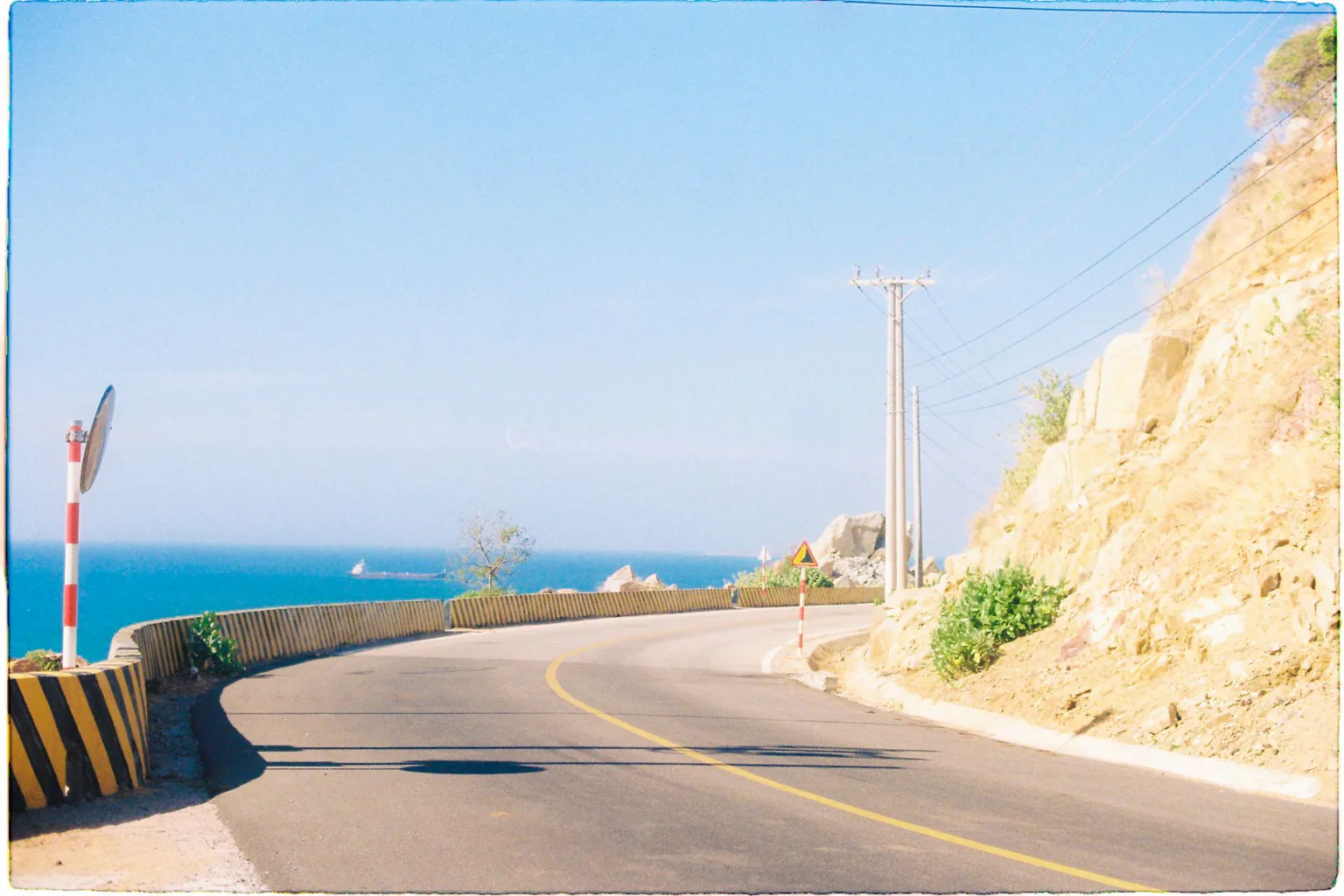
Before climbing the 21-kilometre Hai Van Pass or entering the Hai Van Road Tunnel, professional drivers inspect tire pressure and refuel at official Petrolimex stations along National Route 1A at the northern foot of Lang Co and the tunnel approach plaza. Along the entire elevated mountain road itself, there are no gas stations or mechanical repair shops.
The primary rest stop along the mountain ridge is the Hai Van Quan summit complex, perched roughly 500 metres above sea level. The roadside cafes facing the summit parking lot offer customer restrooms, breezy seating areas to ease motion sickness, cold refreshments, and open viewpoints overlooking Da Nang Bay and Van Village.
4G/5G Cellular Signal Coverage and Charging Stops Along the Coast and Pass
Thanks to cellular towers positioned in Lang Co town and at the Hai Van Quan summit, mobile data stays reliable across most of the route, with only brief signal drops inside mountain tunnels or behind steep rock cliffs.
| Route Segment | 4G/5G Signal Status (Viettel, Vinaphone, MobiFone) | Restroom and Device Charging Access | Practical Advice for Passengers |
|---|---|---|---|
| Chan May Port Gate to National Route 1A | Strong 4G coverage, reliable map loading | Few comfort stops along the port access road | Message your driver via WhatsApp/Zalo before exiting the port gate |
| Lap An Lagoon and Lang Co Bay | Full 4G/5G coverage plus restaurant Wi-Fi | Clean indoor restrooms and wall outlets at cafes | Use the washroom and top up phone batteries before climbing the pass |
| Hai Van Pass (North and South Slopes) | Intermittent 4G around blind cliffside hairpins | No public restrooms mid-slope | Download offline maps beforehand if tracking the route |
| Hai Van Quan Summit | Strong 4G/5G signal restored | Customer restrooms at summit cafes opposite parking lot | Stretch your legs, take summit photos, and check messages |
| Inside Hai Van Road Tunnel (6.28 km) | Mobile data drops or weakens inside the bore | No stopping permitted inside tunnel (emergency bays only) | Finish important calls before approaching the tunnel toll plaza |
If your group books a full-day charter such as the Chan May Port Hai Van Pass Da Nang Hoi An 1-day tour, every vehicle includes USB/Type-C charging ports in the cabin so your cameras and phones stay powered all day. For broader multi-province route planning, check our South Central Vietnam and Central Highlands road trip handbook.
Practical Questions About Rest Stops on the Chan May – Hai Van Route
Frequently Asked Questions About Rest Stops, Restrooms, and 4G Signal on Hai Van Pass
What is the starting price of a private car from Chan May Port via the Hai Van corridor to central Da Nang?
Current starting rates for Chan May Port → central Da Nang: 4-seat car from US$40, 7-seat car from US$47 and 16-seat van from US$70. The listed price includes fuel, road tolls and parking; Sun Travel quotes the final fare based on your pickup and drop-off points, itinerary and departure time.
How far is the nearest clean restroom after leaving the Chan May Port gate?
It takes only 12 to 15 minutes by private car from the Chan May Port gate to reach the cafes and seafood restaurants along Lap An Lagoon, which provide clean indoor restrooms and handwashing facilities.
Are there restrooms available at the top of Hai Van Pass for seniors and children?
Yes, the cafe cluster directly across from the Hai Van Quan summit parking lot provides customer restrooms and shaded seating where passengers can rest and buy cold drinks before descending toward Da Nang.
How long does mobile 4G signal drop when driving through the Hai Van Tunnel or Phu Gia Tunnel?
Driving through Phu Gia or Phuoc Tuong tunnel takes only 2–3 minutes, while the 6.28-kilometre Hai Van Tunnel takes 7–8 minutes; mobile data reconnects immediately once the vehicle exits the tunnel portal.
Can the driver pull over mid-way up Hai Van Pass if a passenger feels motion sickness?
Sun Travel drivers know the widened, barrier-protected scenic turnouts along Hai Van Pass and can safely pull over on flat, breezy sections so passengers can get fresh air away from blind curves.
📚 More Travel Guides