Architectural Heritage Guide: My Son Sanctuary Tower Groups B, C, D and Hoi An Merchant Houses
Visiting My Son Sanctuary and Hoi An Ancient Town on the same day juxtaposes two UNESCO World Heritage architectural traditions: the mortarless fired-brick Hindu temples of Champa's central Groups B, C, and D, and the flood-resilient ironwood merchant homes of 17th-to-19th-century Hoi An. Knowing what structural details to look for turns a simple sightseeing transfer into a rich heritage walk.
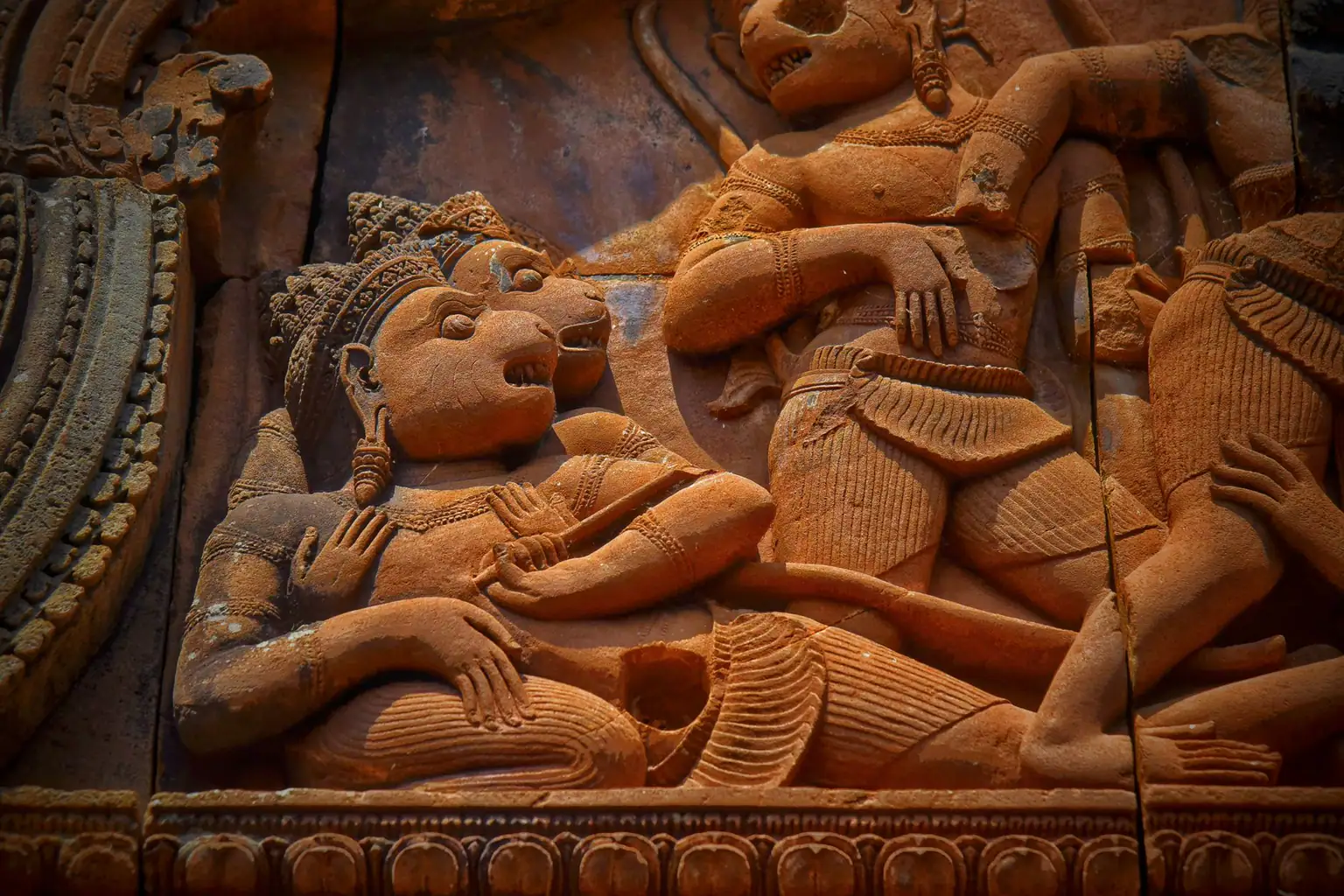
Table of Contents (4 sections)
Separated by just 42 km along the Thu Bon River valley, UNESCO World Heritage neighbours My Son Sanctuary and Hoi An Ancient Town represent two contrasting architectural masterclasses: the seamless, mortarless fired-brick temples of the Champa Kingdom at Tower Groups B–C–D, and the interlocking ironwood timber frames and yin-yang roof tiles of 17th-to-19th-century merchant shophouses. Booking a round-trip private car from Hoi An to My Son in the morning and returning for an afternoon architectural walk past the Japanese Covered Bridge, Tan Ky House, and Phung Hung House lets you compare thousand-year-old Hindu sacred geometry with maritime port engineering in a single day.
Architectural Comparison: 4 Heritage Monuments in My Son and Hoi An
Along the regional sightseeing route, the My Son temple complex lies within the My Son valley in Duy Xuyen District, Quang Nam Province, while Tan Ky House, Phung Hung House, and the Japanese Bridge sit in Hoi An Ward of Da Nang City. The table below compares construction techniques and visitor access across all four heritage landmarks:
| Heritage Monument | Era & Architectural Style | Core Materials & Building Technique | Key Details to Observe On-Site | Private Car Drop-Off & Access |
|---|---|---|---|---|
| Tower Groups B–C–D (My Son Sanctuary Core) | 8th – 13th Century (My Son A1 & Hoa Lai Champa styles) | Fired red bricks rubbed flush using organic Dau Rai tree resin, paired with carved sandstone lintels | Principal sanctuaries B1 and C1, gateway towers (Gopura), and long halls D1–D2 displaying sandstone reliefs | Private car parks at the My Son main gate; internal electric shuttles take guests to the B–C–D valley path |
| Tower Group G & Groups E–F (My Son Hillside) | 8th – 12th Century (Early to transitional Champa brickwork) | Terracotta reliefs carved directly into brick walls depicting Kala masks and Apsara dancers | Elevated hillside setting demonstrating modern international archaeological conservation methods | A gentle 300-metre shaded stone path walk from the central B–C–D courtyard |
| Japanese Covered Bridge (Chua Cau – Hoi An) | Early 17th Century (Japanese, Vietnamese, and Chinese fusion) | Covered wooden timber bridge topped with yin-yang roof tiles resting on stone piers over a canal | Carved Chinese beam inscriptions and wooden guardian statues of the Dog and Monkey at opposite ends | Driver drops off at the Nguyen Thi Minh Khai parking lot, an 80-metre flat walk to the bridge |
| Tan Ky Ancient House (101 Nguyen Thai Hoc) & Phung Hung House (04 Nguyen Thi Minh Khai) | Late 18th – 19th Century (Hoi An port merchant tube-houses) | Ironwood (Go Lim) and jackfruit timber joined strictly by mortise-and-tenon joints without iron nails | Crab-shell ceiling trusses, central open courtyard (gieng troi), and historical flood-level markers on pillars | Easy walking loop along Nguyen Thi Minh Khai and Nguyen Thai Hoc while your car waits at the perimeter |
If your group arrives at Da Nang Train Station before settling into a coastal resort or heritage hotel in Hoi An, check our Da Nang Train Station to Vinpearl Nam Hoi An and Hoiana private car or our Da Nang Train Station to Hoi An private car service.
What Makes Tower Groups B–C–D the Architectural Heart of My Son?
Within the sacred basin of My Son, Tower Groups B, C, and D preserve the clearest layout of a royal Champa Hindu sanctuary complex:
- Sacred Tripartite Layout (Mandapa – Gopura – Kalan): Approaching Groups B and C from the east, visitors first pass through the elongated brick assembly halls D1 and D2 (Mandapa)—which now house museum-grade sandstone pedestals, Shiva reliefs, and Linga-Yoni altars—before stepping through the gateway tower (Gopura) into the central sanctuary courtyard (Kalan B1 and C1).
- Sub-Millimeter Mortarless Brick Joints: Champa builders ground kilned bricks together using organic resin extracted from indigenous Dau Rai (Dipterocarpus) trees. The resulting hairline joints prevent water penetration and plant roots from splitting the load-bearing walls across centuries of tropical monsoons.
Climate-Adaptive Engineering Inside Tan Ky and Phung Hung Ancient Houses
- Dual-Frontage Tube Layout Between Street and River: Tan Ky Ancient House opens onto Nguyen Thai Hoc Street for retail trade in front while its rear door connects directly to Bach Dang Street along the Hoai River where cargo boats once docked; a central open-air courtyard pulls cool river breezes through the timber halls and releases summer heat.
- Unrushed Exploration with a Round-Trip Private Car (ST-ROUTE-011): Booking Sun Travel’s Hoi An – My Son round-trip private car gives your party 3 to 4 hours of dedicated waiting time at the sanctuary so architecture enthusiasts can study the sandstone carvings at Groups B–C–D without a tour guide rushing the group.
Continue Along Central Vietnam’s Architectural Heritage Trail
- Link My Son with Khuong My Cham Towers, Hue Imperial City, and Binh Dinh Towers: To plan a multi-day architectural journey across central Vietnam, consult our South Central Vietnam and Central Highlands road trip handbook.
Frequently Asked Questions: My Son Tower Groups B–C–D & Hoi An Ancient Houses
How much is a round-trip private car from Da Nang to explore Tower Groups B, C and D at My Son Sanctuary?
Current starting rates for Da Nang ↔ My Son Sanctuary (round trip with sightseeing): 4-seat car from US$40, 7-seat car from US$42 and 16-seat van from US$61. The listed price includes fuel, road tolls and parking; Sun Travel quotes the final fare based on your pickup and drop-off points, itinerary and departure time.
How many hours of sightseeing waiting time are included in the Hoi An – My Son round-trip private car rate (ST-ROUTE-011)?
The Hoi An – My Son Sanctuary round-trip private car package includes 3 to 4 hours of driver waiting time at the sanctuary parking lot, giving you ample time to ride the internal shuttle, inspect Tower Groups B–C–D, and watch the Champa dance.
Is the walk from the My Son internal electric shuttle stop to Tower Groups B–C–D steep?
No, the walking trail is flat and accessible. Once the internal electric shuttle drops you at the valley station, paved stone walkways wind gently under forest shade to Tower Groups B–C–D, making it comfortable for seniors and children.
How do tickets work for visiting Tan Ky House, Phung Hung House, and the Japanese Bridge in Hoi An?
You purchase a single Hoi An Old Town heritage ticket at the official booths at the entrance of Nguyen Thi Minh Khai or Tran Phu Street; the ticket includes coupons valid for the Japanese Covered Bridge and your choice of ancient merchant houses and assembly halls.
What pickup waiting time and cancellation policy apply to a Hoi An – My Son private car booking?
Base rates include fuel, tolls, parking fees, and 30 minutes of free pickup waiting at your Hoi An hotel lobby, plus flexible schedule coordination when notifying Sun Travel in advance of your scheduled pickup per agreed trip terms.
📚 More Travel Guides