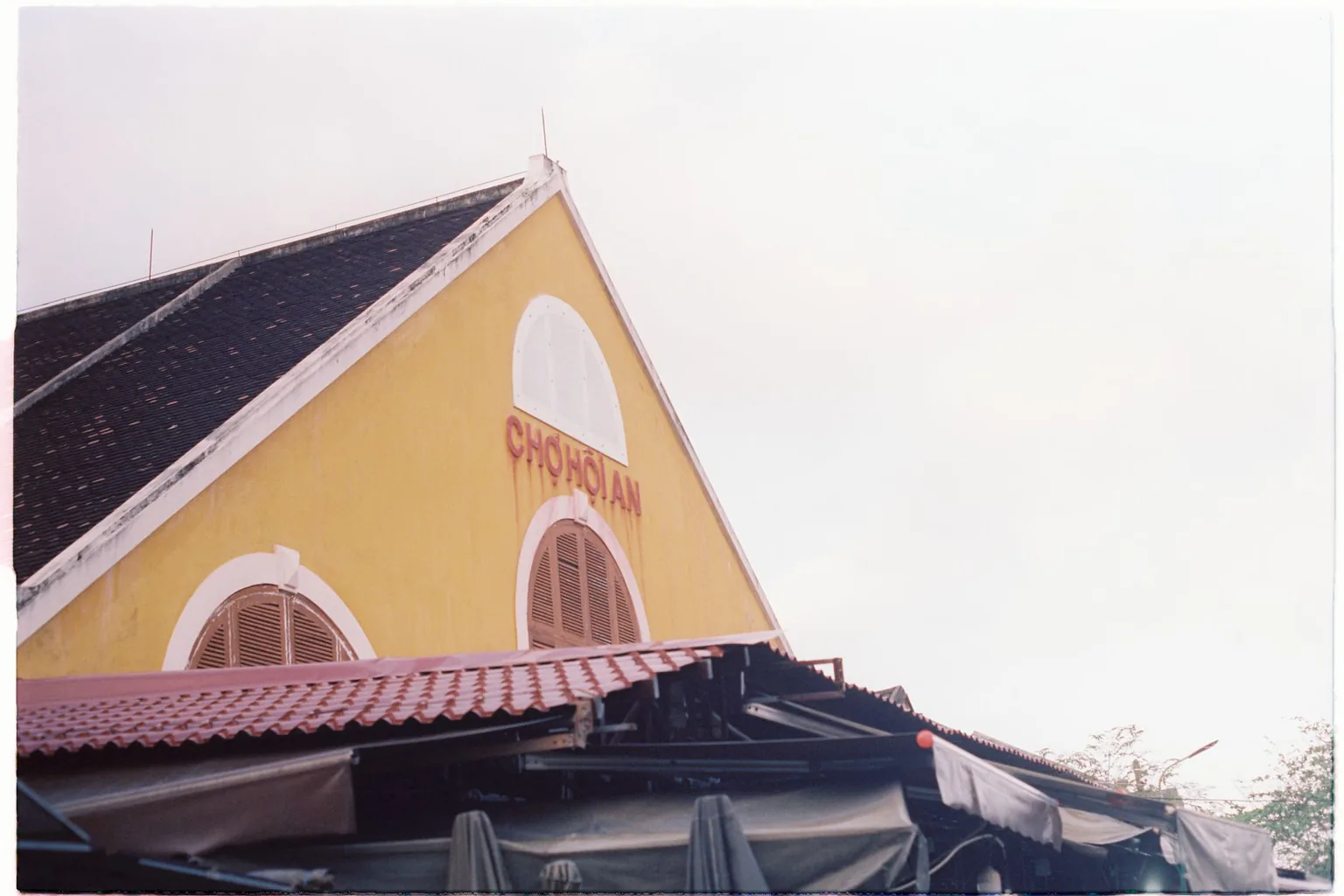
A Family Guide to Hoi An with Young Children and Older Relatives
Hoi An with young children or older relatives suits a plan with few stops, regular rests and clear pickup and drop-off points more than a packed schedule. This guide sets out how to pace the day, what to pack and what to confirm beforehand.

Table of Contents (7 sections)
Details about each site and each business have to be checked separately, so this guide gives you a way to plan the day rather than a list of places to go.
Start with the slowest walker
In a multi-generation group, the stamina of the least active person sets the length of the plan. Before choosing stops, ask the whole group:
- How long can each person walk without a break before they need to rest?
- Does anyone need a stroller, a walking stick or help stepping over thresholds and door sills?
- Do the young children have nap or meal times that need protecting?
A plan with few stops but enough rest usually works better than one with many stops that has to be cut short halfway.
Plan in short blocks with buffer time
- Divide the day into short blocks (for example one activity block followed by a rest) rather than moving continuously.
- Each block should have one main focus; a second stop is a backup if the whole group still has energy.
- Leave buffer time for toilet stops, changing clothes, feeding young children and unplanned stops.
- Which hours of the day are cooler or busier changes with the season and from day to day, so observe on the day and adjust rather than applying a fixed time slot.
Paths and sites: ask about thresholds and courtyards first
Old architecture often has high door sills, steps and uneven courtyards. This affects strollers and people who find walking difficult.
- If you use a stroller, be ready to lift it or fold it at door sills, and ask on site which sites allow strollers inside.
- Ask beforehand about suitable routes for people with mobility difficulties at each site you plan to visit; this guide does not confirm that any site is flat or easy to access.
- Keep young children close to an adult where there are stone courtyards, steps, water or crowds.
Rest, heat and rain
- Bring hats, drinking water and sun cover; remind young children and older relatives to drink regularly even if they do not feel thirsty.
- When it is too hot or rainy, switch to an indoor site or go back to your accommodation to rest. Indoor sites need to be confirmed as open on the day you go.
- Carry a light raincoat rather than a big umbrella in crowded places, and pack an extra set of dry clothes for young children.
Eating with young children and older relatives
This guide does not suggest specific restaurants or dishes because menus and opening hours change. Some general principles:
- Choose a place that can show you the menu and prices before you order.
- Tell the restaurant clearly about allergies, the need for less chilli or milder seasoning, and dishes that must be well cooked for young children.
- Bring familiar snacks for the children so that they do not have to wait long when a restaurant is busy.
Choosing accommodation for a multi-generation group
This guide does not introduce specific businesses. When comparing places to stay, ask the following, using the accommodation’s official information:
- whether it has rooms for a group or a family, and what its rules are for young children;
- whether there is a lift or a ground-floor room for people who find stairs difficult;
- whether a car can stop right at the door or must park at the nearest point so that you walk on. This matters especially if the accommodation is in a pedestrian area.
Car pickups with young children and older relatives
When you send your request, state the number of adults, the number of children and their ages, the number of suitcases, strollers and any bulky items, so that the vehicle size can be confirmed correctly.
- Child safety seats: if needed, ask and get confirmation before your travel date. This guide does not claim that seats are available on every trip.
- Pickup and drop-off points: ask clearly where the car can stop, especially when your accommodation or a sightseeing stop lies in a vehicle-restricted area.
- Luggage help: the level of help at the stop needs confirming for each trip.
If you are starting from Da Nang, you can check the private car from Da Nang to Hoi An and see the private car rates by route. Vehicle size, pickup and drop-off points and rates apply only once confirmed for the specific trip.
Frequently asked questions about visiting Hoi An with young children and older relatives
Is it convenient to bring a stroller when visiting Hoi An?
This guide does not confirm how convenient any route or site is. Old architecture often has high door sills and steps, so be ready to lift or fold the stroller when needed and ask on site which sites allow strollers inside.
How should a family with older relatives plan the day to reduce tiredness?
Choose few stops, divide the day into short blocks and leave regular rest time between them. If the whole group still has energy, add a backup stop rather than filling the schedule from the start.
What should I do with young children when it is hot or raining?
Switch to an indoor site or go back to your accommodation to rest, drink water regularly and prepare dry clothes for the children. Indoor sites must be confirmed as open on your day; postpone if there is a bad-weather warning.
Can a private car reach the door of accommodation in the old town?
Do not assume so. The central area may restrict vehicles at certain times and under the rules in force. Give your accommodation's address when you send your request so that Sun Travel can confirm a suitable stopping point for the specific trip.
Does the car come with child safety seats?
It cannot be confirmed that seats are available on every trip. If you need a seat for a child, state the child's age and the number of seats when you send your request and wait for confirmation before your travel date; if it is not confirmed, prepare your own arrangement.
📚 More Travel Guides