Hai Van Pass Rainy Season Weather & Hue Driving Guide: Practical Field & Routing Guide
Practical planning guide for Hai Van Pass Rainy Season Weather & Hue Driving Guide: compare departure windows, 4/7/16-seat vehicle pickup points, and seasonal road preparation.

Table of Contents (4 sections)
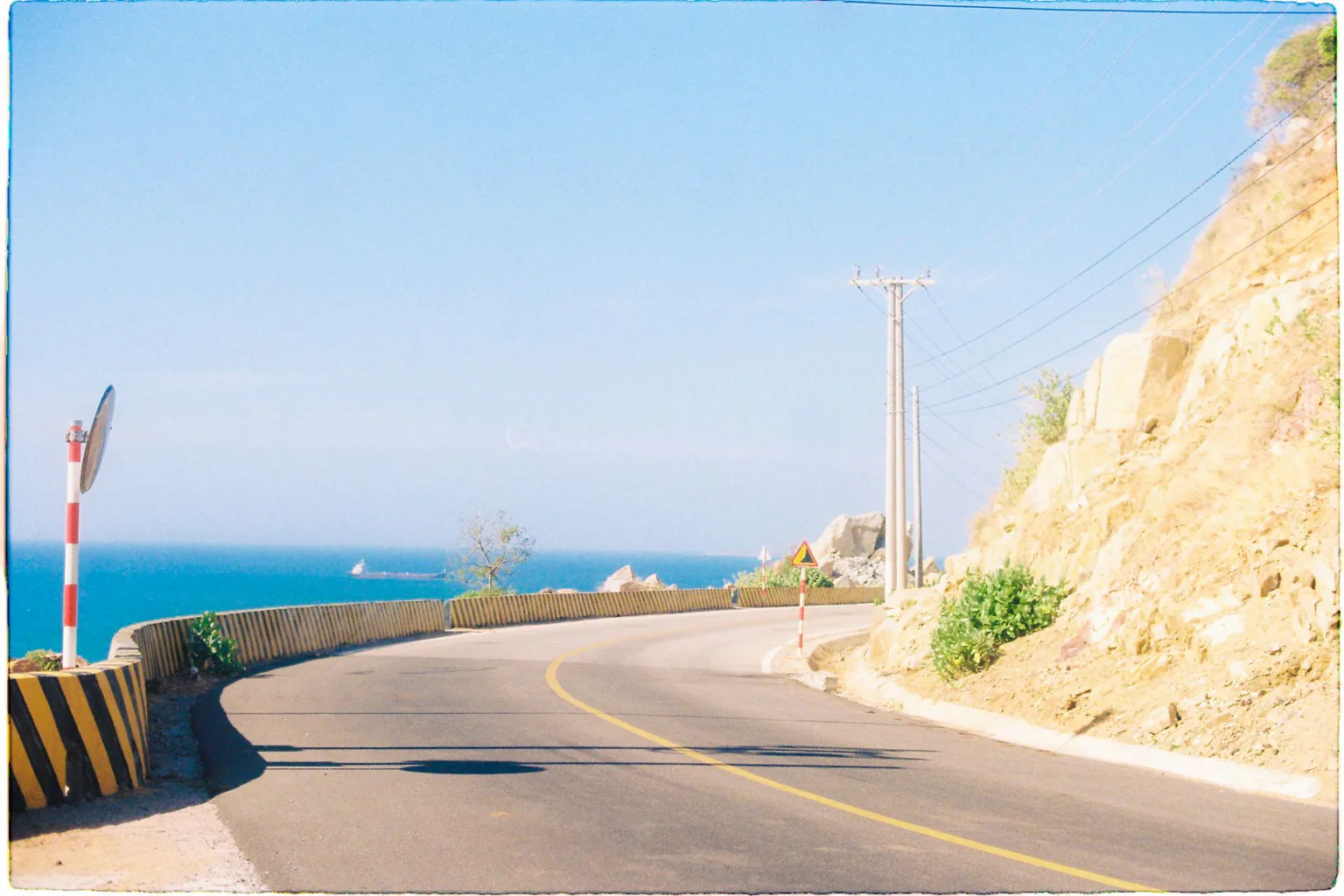
Rising directly out of the East Sea between Hue City and Da Nang City, the Bach Ma mountain spur forms the 20 km Hai Van Pass, crowned by historic Hai Van Quan gate at roughly 500m above sea level. Because this ridge acts as a natural climate barrier, weather conditions on the northern and southern slopes often differ dramatically—especially during Central Vietnam’s rainy season from September to December, when misty rain over Lang Co Bay and Hue frequently gives way to brighter skies once your car emerges on the Da Nang side.
Understanding seasonal weather patterns across Hai Van Pass and Hue helps travellers booking a private car from Chan May Cruise Port, central Hue, or Da Nang decide when to climb the scenic mountain road and when to route directly through the Hai Van Road Tunnel.
North vs South Slope Weather Across Hai Van Pass (September–December)
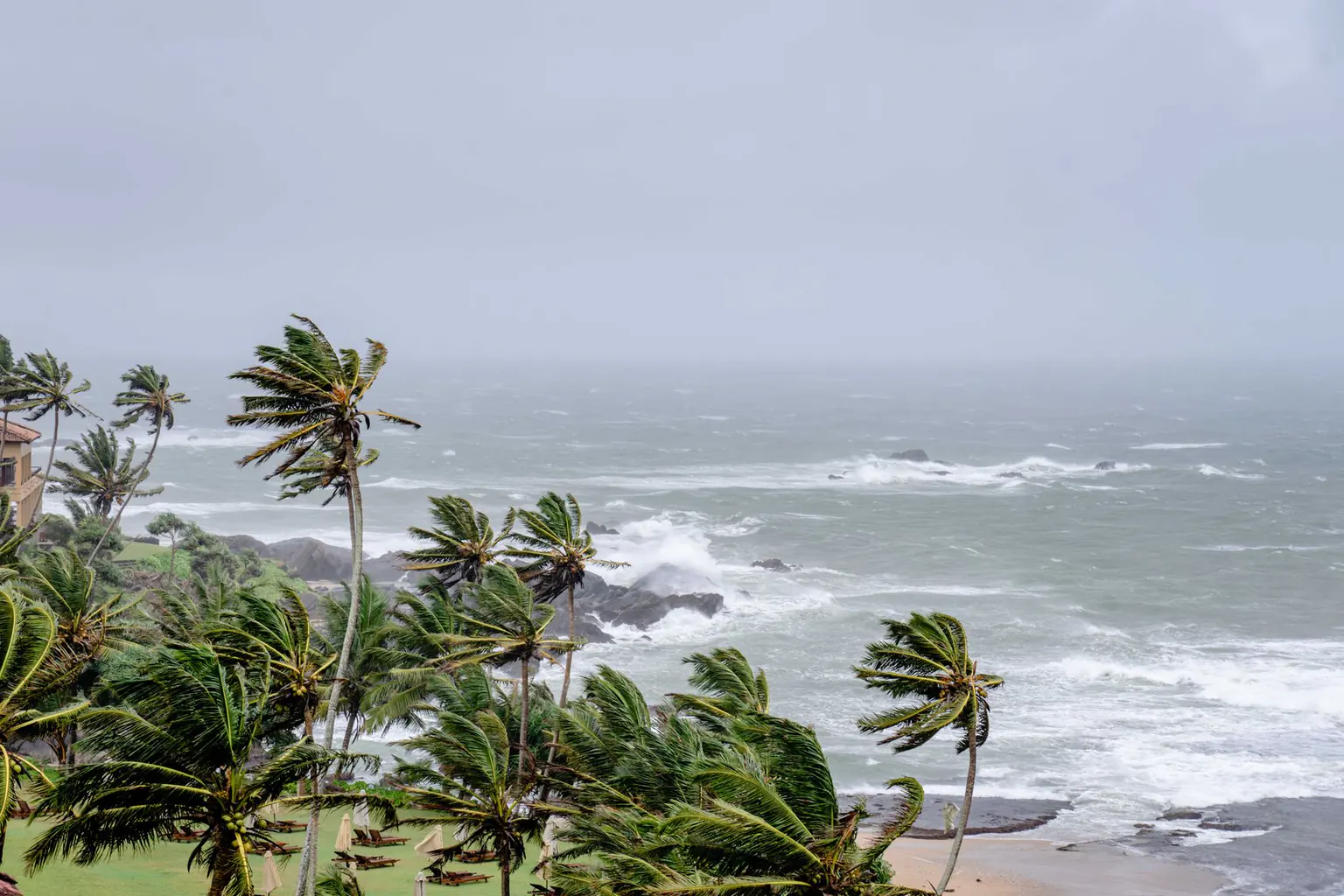
The northern foothills in Chan May - Lang Co Commune, Hue City face incoming Northeast monsoon winds off the Gulf of Tonkin, creating low clouds and orographic rain that extend northward into Phu Xuan Ward and Thuan Hoa Ward, Hue City. By contrast, the southern slope descending into Da Nang City sits in the wind shadow of the Hai Van range and frequently enjoys drier conditions and higher visibility.
| Season | Hai Van Pass & Hue Weather Profile | Visibility at Hai Van Quan Summit (500m) | Recommended Private Car Routing |
|---|---|---|---|
| February – August (Dry & Sunny Season) | Clear blue skies, calm bays, warm sunshine; occasional brief late-afternoon showers | 10–15 km panoramic views over Lang Co Bay, Lap An Lagoon, and Da Nang Bay | Take the scenic Hai Van Pass road outbound with a stop at Hai Van Quan gate |
| September – November (Peak Rainy Season) | Northeast monsoon brings multi-day rain spells in Hue and wet mountain pavement | Low cloud deck and dense fog often settle between 300m and the 500m summit | Use the 6.28 km Hai Van Road Tunnel for safety and reliable schedule timing |
| December – January (Cool Winter Transition) | Light mist and cool temperatures (16–22°C in Hue and atop the pass) | Morning mist common; afternoons often clear up | Check live cloud height at the Lang Co base before choosing pass vs tunnel |
For broader multi-day route planning across Central Vietnam, consult our South Central Coast & Central Highlands Private Car Handbook.
When to Choose the Hai Van Road Tunnel Over the Scenic Mountain Pass
On excursions such as our Chan May Port – Hai Van Pass – Da Nang – Hoi An day tour, Chan May Port to Hue private car, or Chan May Port to Da Nang private car, experienced local drivers evaluate three practical criteria at the Lang Co approach before ascending:
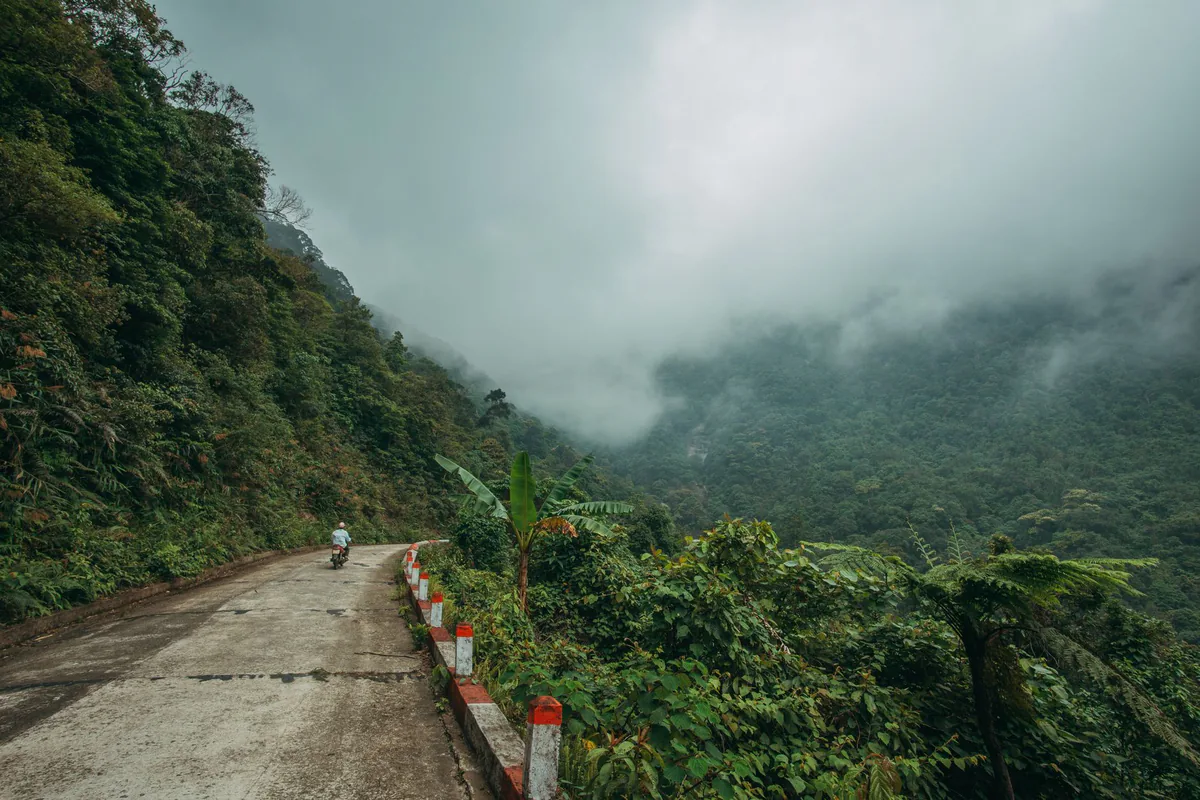
- Cloud Base Height on the Ridge: If low clouds obscure the upper half of the mountain when viewed from Lap An Lagoon or Lang Co Bridge, driving up to the 500m summit will only encounter whiteout fog (visibility under 20m) and slick hairpin turns. Taking the Hai Van Road Tunnel takes just 10 to 12 minutes and saves 45 minutes for sightseeing in Hoi An or Da Nang.
- Cruise Ship All Aboard or Flight Deadlines: On the return leg to Chan May Port—or when catching a flight at Da Nang International Airport (DAD) or Phu Bai Airport (HUI)—drivers prioritise the Hai Van, Phuoc Tuong, and Phu Gia tunnels to keep arrival times completely predictable.
- Late Afternoon After 16:30 in Autumn and Winter: Daylight fades quickly after 17:00 between October and January, accompanied by rapid condensation on the mountain road; our safety standard reserves scenic pass crossings strictly for daylight hours.
Packing & Sightseeing Adjustments for Rainy Days in Hue
If your Hue heritage tour or Chan May shore excursion falls on a rainy day:
- Inside the Hue Imperial Citadel & Royal Tombs: The Imperial Enclosure, Tu Duc Tomb, and Minh Mang Tomb feature wide open courtyards and stone walkways; wear non-slip footwear, carry a compact umbrella, and consider the internal electric buggy shuttle inside the Citadel.
- Indoor Cultural Stops: Spend extra time inside the Hue Royal Antiquities Museum, An Dinh Palace, or a traditional royal tea house rather than open-deck dragon boats if the Perfume River is windy.
- Coordinate Port Pickups & Schedule Buffers: Review our Chan May Port & Phu Bai Airport pickup procedure guide and our Cruise ship storm rescheduling & waiting policy at Chan May.
Common Questions About Hai Van Pass & Tunnel Routing
Frequently Asked Questions: Hai Van Pass Weather & Hue Rainy Season
What is the starting price of the one-day private tour from Chan May Port over the Hai Van Pass to Da Nang and Hoi An?
Current starting rates for Chan May Port → Hai Van Pass → Son Tra / Marble Mountains → Hoi An (one-day round trip): 4-seat car from US$102, 7-seat car from US$114 and 16-seat van from US$154. The listed price includes fuel, road tolls and parking; Sun Travel quotes the final fare based on your pickup and drop-off points, itinerary and departure time.
If we requested the scenic Hai Van Pass route but it rains heavily on the day, can we switch to the tunnel?
Yes, absolutely. When approaching the foot of the pass at Lang Co or North Da Nang, if heavy rain or low clouds block the summit view, your driver will consult with you and switch directly into the Hai Van Road Tunnel at no extra toll cost.
Are Hai Van Road Tunnel tolls already included in Sun Travel's private car prices?
Yes, all listed starting prices for transfers and day tours between Hue, Chan May Port, Da Nang, and Hoi An include BOT tolls for the Hai Van, Phuoc Tuong, and Phu Gia tunnels.
Which months are the rainy season in Hue and on Hai Van Pass?
The primary rainy season in Hue and across Hai Van Pass runs from late September through November, tapering into cool misty days in December and January. February through August brings warm, sunny dry-season weather.
Why is it often sunny in Da Nang and Hoi An when it is raining in Hue?
The Bach Ma and Hai Van mountain range rises between 500m and over 1,400m directly to the coast, blocking cool, moist Northeast monsoon winds on the northern Hue slope while leaving Da Nang and Hoi An in a drier rain shadow to the south.
Is the Hai Van Road Tunnel open all day for private passenger cars?
Yes, the Hai Van Road Tunnel operates dual parallel tubes that remain open to private passenger vehicles throughout the day and night, providing a reliable all-weather link between Hue and Da Nang.
📚 More Travel Guides