Cham Islands Snorkeling Guide: Coral Reef Exploration & Speedboat Tips
Explore the optimal diving season, differences between snorkeling and scuba diving, seasickness prevention, and marine conservation rules at the Cham Islands biosphere.
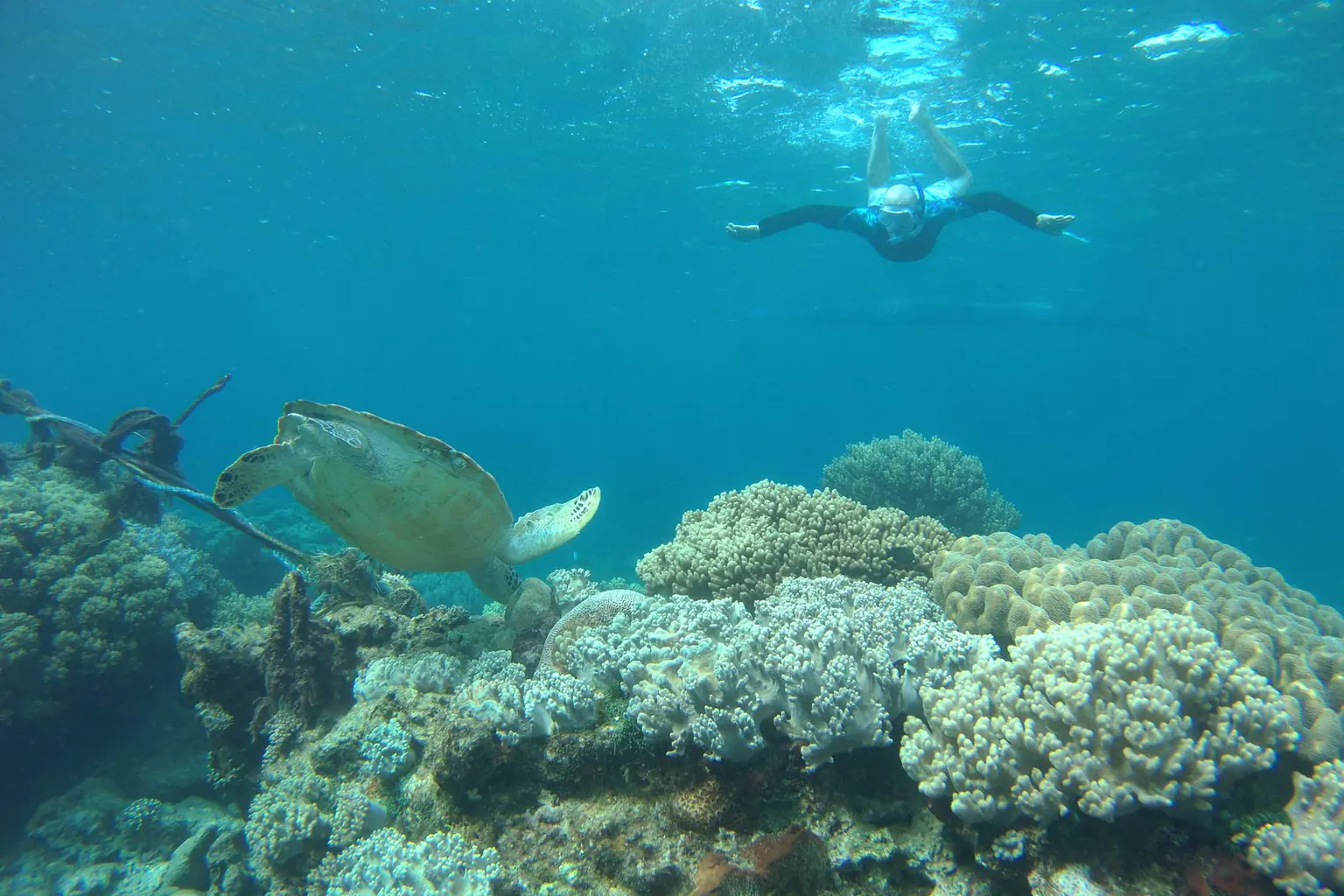
Table of Contents (5 sections)
The Cham Islands World Biosphere Reserve shelters more than three hundred hard and soft coral species alongside hundreds of marine organisms flourishing around offshore reefs at Bai Xep, Hon Dai, and Hon Tai. To enjoy a safe, breathtaking underwater excursion, travellers must understand the distinct operational differences between surface snorkeling and deep scuba diving, master seasickness prevention techniques aboard high-speed speedboats, and adhere rigorously to pristine marine conservation guidelines.
Starting rates only. Sun Travel checks the pickup and drop-off points, itinerary and departure time before confirming the trip. Fuel, road tolls and parking are included in the listed route rate. Waiting at pickup is free for 30 minutes; waiting beyond 1 hour adds US$4. Extra stops need separate confirmation. Reference rate for private transfer from Da Nang to Hoi An, serving as the benchmark for reaching Cua Dai Port. Base rates include fuel, toll/BOT fees, and standard parking.
Seasonal Ocean Cycles and Optimal Daily Snorkeling Hours
Underwater visibility and coral vibrancy around the Cham archipelago depend directly on seasonal weather windows and maritime clarity:
- Optimal Annual Season: The premier diving and snorkeling window spans from March through the end of August. During these months, coastal Hoi An enjoys calm seas, consistent sunshine, and high underwater visibility, allowing sunlight to penetrate deep seabed plateaus and showcase radiant coral colours. From September to February, northeast monsoons bring rough swells and cloudy waters, prompting operators to suspend reef tours for maritime safety.
- Prime Time of Day: The most favourable window for coral viewing falls between 09:30 AM and 11:30 AM. At this hour, the sun climbs high enough to illuminate reef valleys without cliff shadows, tidal currents remain gentle, and seawater temperatures stay delightfully warm, minimising rapid body heat loss during immersion.
Comparing the Two Coral Reef Viewing Options at Cham Islands
Depending on your physical endurance, swimming comfort, and family preferences, you can select between two established marine experiences:
1. Shallow Snorkeling with Mask and Life Vest (Snorkeling)
- Technical Characteristics: Swimmers wear a buoyant life jacket, secure a tempered snorkel mask with breathing tube, and float face down on the water surface to admire shallow coral gardens at depths between 1 and 3 metres.
- Target Audience: Non-swimmers, multi-generational families with children aged 6 and up, and senior travellers. The specialized flotation vest maintains effortless equilibrium on the surface without exhausting energy.
- Popular Snorkel Zones: Bai Xep and Hon Dai are traditional snorkeling sanctuaries featuring shallow depths, calm waters, and dense branching and boulder corals growing close to shoreline boulders.
2. Deep Scuba Diving with Certified Instructors (Scuba Diving)
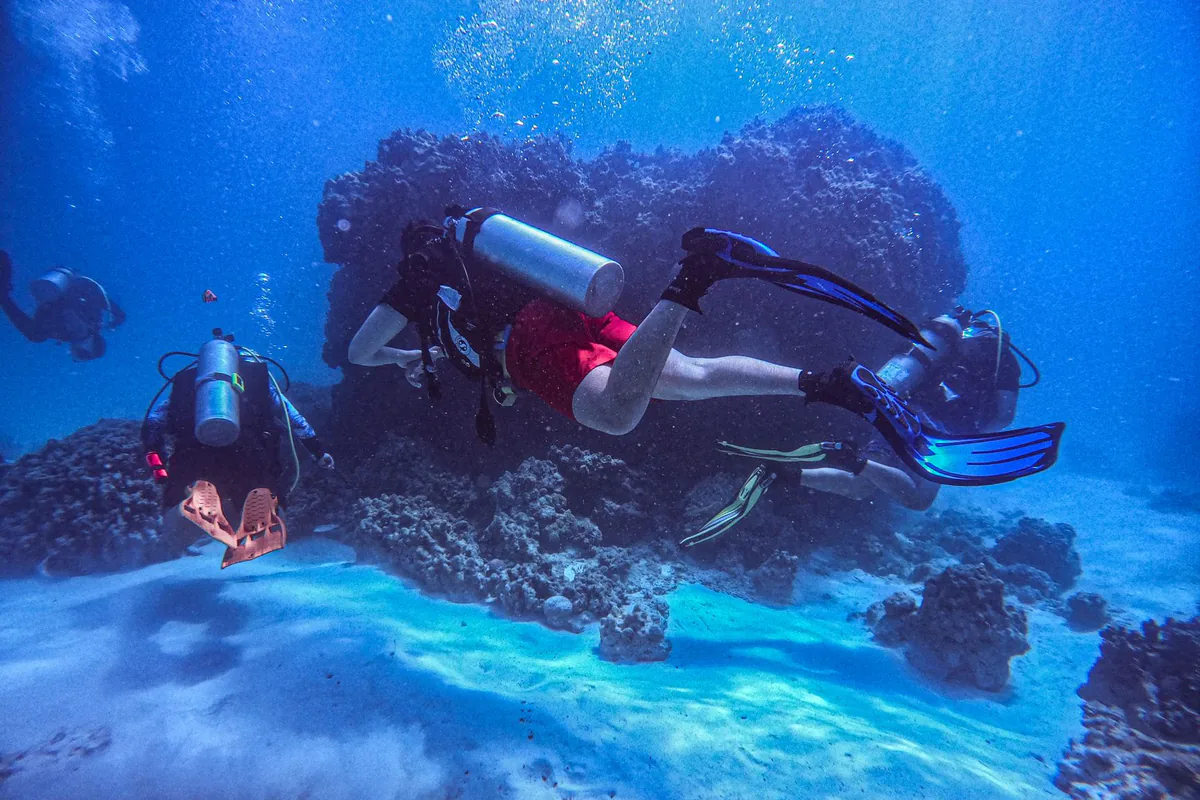
- Technical Characteristics: Participants wear a complete neoprene wetsuit, compressed air cylinder, pressure gauge, weight belt, and fins to submerge to depths of 5 to 7 metres. Every guest is paired 1-on-1 with an internationally certified divemaster who manages buoyancy valves and regulates depth throughout the 20 to 30 minute dive.
- Target Audience: Visitors who meet the age and participation requirements published by the dive centre at the pier. Prior swimming mastery is not mandatory as your dive instructor guides you by hand along the seafloor.
- Popular Diving Sites: Bai Chong, Hon Tai, and Mui Ganh, boasting sheer underwater drop-offs, swim-through rock arches, and massive staghorn coral formations.
Speedboat Seasickness Prevention Techniques
The crossing from Cua Dai Port to Bai Lang pier spans roughly 18 km across open waters, lasting 20 to 25 minutes over cresting waves. To preserve your stamina for reef swimming, observe these practical strategies:
- Strategic Seating Selection: Choose seats located in the middle or slightly toward the aft section of the vessel. This zone experiences the lowest vertical pitching and jarring impact as the boat hull slices through swells. Strictly avoid the forward bow rows if you are prone to motion sensitivity.
- Gaze and Breathing Cadence: Keep your vision fixed steadily on the distant ocean horizon, refraining from looking down at smartphones or reading text while the vessel is in motion. Inhale deeply through your nose and exhale slowly through your mouth in harmony with wave rhythms.
- Pre-Departure Nutrition: Consume a light, balanced meal roughly 45 minutes before boarding. Avoid carbonated beverages or greasy foods on departure morning so you feel comfortable during the speedboat crossing.
Five Essential Rules for Marine Ecosystem and Coral Conservation
Coral colonies across the Cham archipelago are living organisms that require decades to regrow a single fragile branch. The Marine Protected Area Management Board enforces strict ecological rules:
- Never Step on or Break Coral Formations: When swimming across shallow flats, never stand on reef boulders to rest or adjust your mask. Sharp coral edges cause painful lacerations susceptible to infection while crushing tender coral polyps.
- Refrain from Touching or Catching Marine Fauna: Do not pursue sea anemones, starfish, sea urchins, or juvenile fish. Certain camouflaged creatures beneath sand bars harbour defensive venomous spines capable of triggering severe pain and swelling.
- Total Prohibition of Single-Use Plastic Bags: The Cham Islands instituted a strict zero-plastic-bag ban in 2009. Travellers may not bring single-use plastic bags aboard speedboats or onto island shores. All personal trash must be deposited in designated harbour receptacles.
- Utilize Reef-Safe Mineral Sunscreen: Limit conventional sunscreens containing Oxybenzone and Octinoxate, which provoke coral bleaching and mortality. We strongly recommend wearing long-sleeved UPF-rated rashguards instead of applying thick greasy chemical lotions before entering the water.
- Comply with Life Vests and Boat Captain Instructions: Keep chest and leg harnesses securely fastened whenever floating in the open sea. When the tender boat sounds its recall whistle, swim back promptly to the vessel boarding ladder.
Seamless Overland Private Car Transfers for Timely Port Check-In
To ensure a relaxed ocean excursion, punctual overland transit coordination forms the critical foundation:
- Morning Outward Journey: Arrange private pickup from Da Nang between 06:45 – 07:00 AM or from Hoi An between 07:30 – 07:45 AM. This allows arrival at Cua Dai Port before 08:15 AM to complete passenger manifest registration and board the first speedboat departure.
- Afternoon Return Journey: After reef snorkeling, freshwater showers, and a seafood lunch at Bai Lang or Bai Chong, the speedboat returns to Cua Dai Port around 14:30 – 15:00. Your Sun Travel chauffeur is already parked dockside with air-conditioning ready, escorting you back to your hotel or onward to Hoi An Old Town.
Before scheduling your Cham Islands snorkeling expedition, explore our private car transfer from Da Nang to Hoi An and utilize our interactive pricing tool to plan your journey.
Frequently Asked Questions About Cham Islands Snorkeling
For snorkelling at the Cham Islands, what is the starting price of a private car to Cua Dai Pier?
There is no separate listed fare for Cua Dai Pier. The figures below are for the closest listed route, Da Nang → Hoi An: 4-seat car from US$11, 7-seat car from US$13 and 16-seat van from US$19 (including fuel, road tolls and parking). The fare for Cua Dai Pier is quoted after checking your pickup and drop-off points, itinerary and departure time.
Can non-swimmers participate in snorkeling at Cham Islands?
Yes, non-swimmers can comfortably participate in surface snorkeling because certified life vests maintain effortless flotation on the water surface; alternatively, you can register for scuba diving where an accredited divemaster guides you individually throughout the dive.
Should I choose Bai Xep or Bai Chong for coral viewing?
Bai Xep is ideal for shallow snorkeling in sheltered shallow waters with gentle seabed slopes and abundant schooling fish; Bai Chong features deeper reef drop-offs, massive staghorn coral colonies, and water sport amenities, better suited for scuba diving and beachfront relaxation.
What is the minimum age for children to join coral snorkeling tours?
Children aged 6 and above can join shallow surface snorkelling when supervised by an adult and fitted with appropriately sized life vests; for scuba diving, check the minimum age and safety rules directly with the dive centre.
If I experience seasickness on the speedboat, can I still snorkel on the island?
Yes. Once the speedboat docks at Bai Lang, rest in the shaded pavilions for 20 to 30 minutes, sip warm water, and breathe fresh ocean air until you feel comfortable before swimming and enjoying gentle surface snorkelling.
📚 More Travel Guides