Preparing for a Long-Distance Car Trip in Central Vietnam
Prepare a rough schedule and the essentials, then wait for confirmation of availability and conditions for your date.
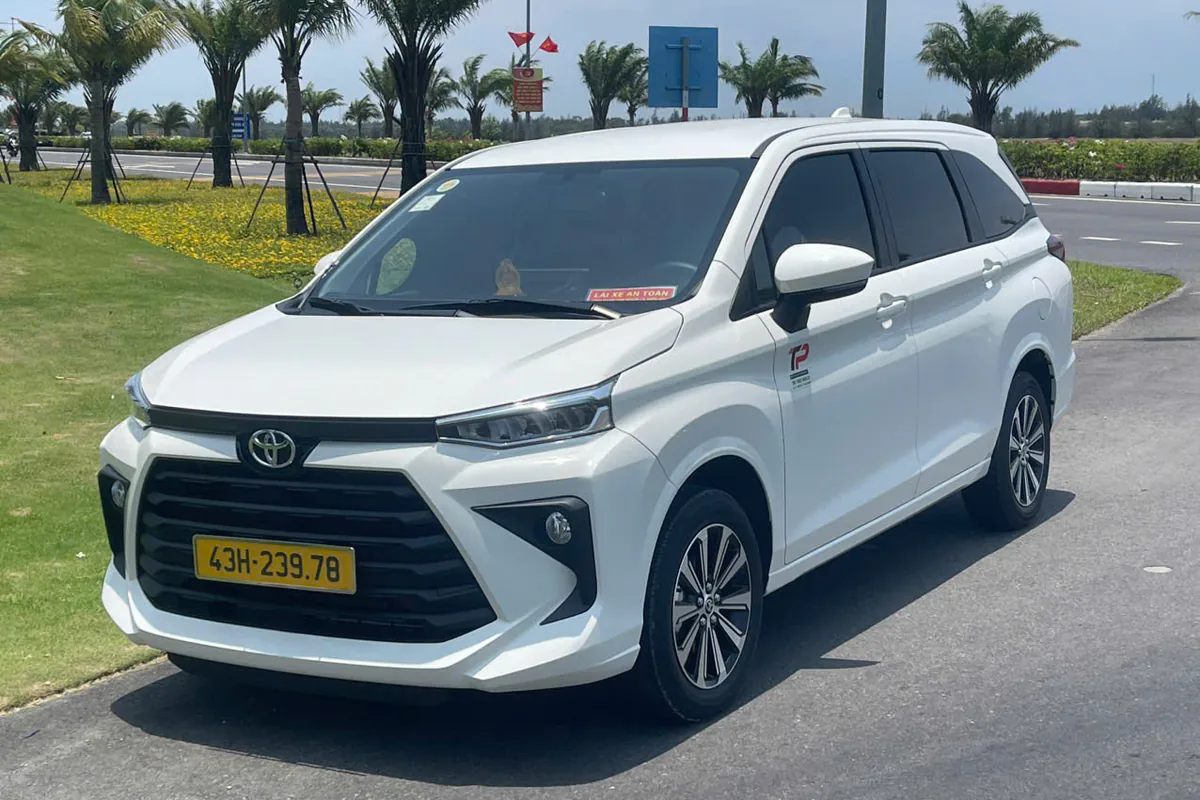
Table of Contents (2 sections)
A car trip of four to seven hours, such as a private car trip to Mang Den, Phong Nha National Park or the coast at Quy Nhon, can be a great way to see the scenery. It can also be uncomfortable if someone gets carsick, has a stiff neck or goes hungry on a quiet mountain road. These seven tips help a group arrive in good shape.
| Criteria | 4-seat car (sedan) | 7-seat car (SUV) ★ | 16-seat van |
|---|---|---|---|
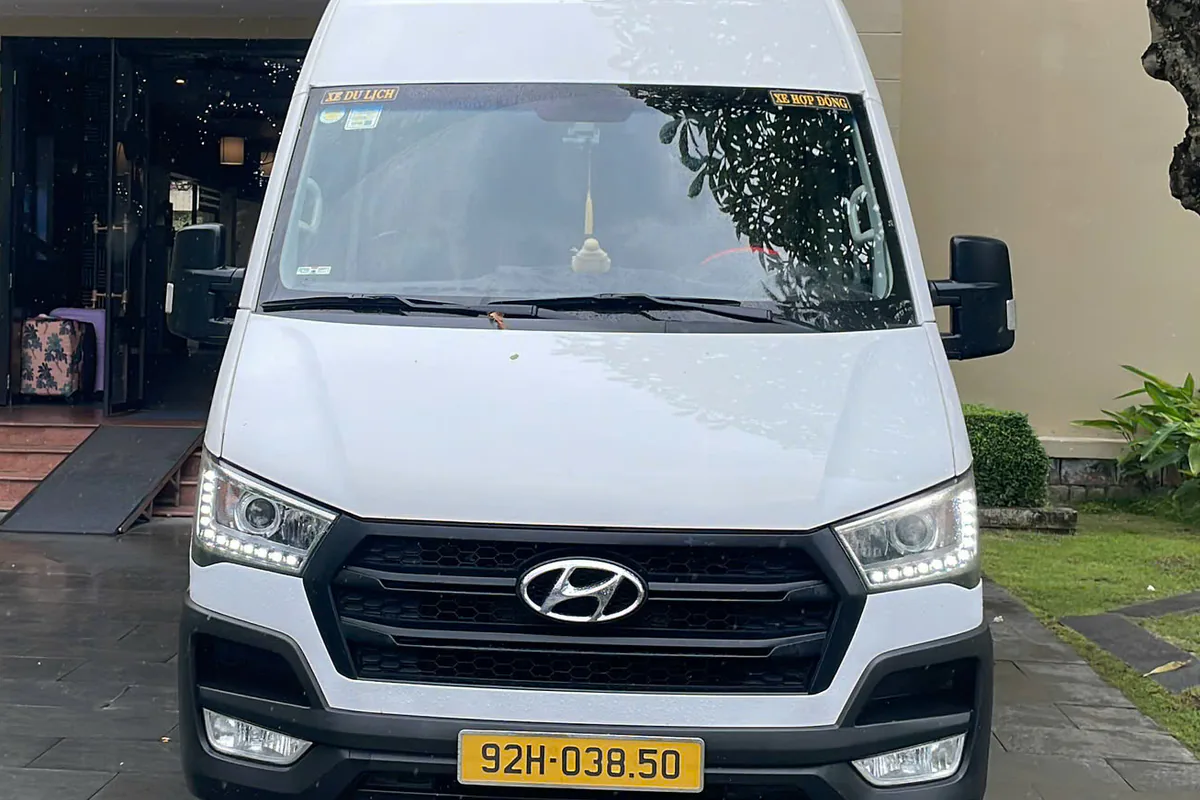
| Example models | Toyota Vios, Hyundai Accent | Toyota Fortuner, Mitsubishi Xpander | Ford Transit, Hyundai Solati |
| Suggested party size | 1–3 passengers | 4–5 passengers | 6–14 passengers |
| Luggage capacity | Up to two 24-inch suitcases plus a backpack | Up to four 24-inch suitcases plus a backpack | Up to 8–10 large suitcases |
| Seating space | Snug and smooth for a small family | Roomy, with a higher ride that is smooth on passes and long roads | High ceiling and a clear aisle |
| Suited to | Couples, business trips and light airport pickups | Families with children or older adults and more luggage | Tour groups, clubs and large families |
Seven Things That Make a Long Car Trip Easier
- A neck pillow and an eye mask: Dozing with your head dropped forward for hours can leave your neck sore. A supportive pillow helps you rest properly on the road.
- Ginger sweets, citrus peel or herbal tea for motion sickness: If you are prone to carsickness, try a ginger sweet or the scent of citrus peel as the road starts to climb. Avoid staring at your phone through sharp bends.
- A flask of warm water and energy snacks: Biscuits, nuts, chocolate and warm water are useful on stretches with no shops.
- A light jacket or scarf: Air-conditioning in a touring vehicle can feel cold, especially for older relatives and children, and the change to hot weather outside can be a shock.
- A good seat for those who feel carsick: Sit at the front beside the driver in a 4-seater, or in the second row behind the driver in a 7 or 16-seater, where the view forward is widest and the motion is usually gentlest.
- Plan rest stops: Every two to two and a half hours, ask the driver to stop at a clean rest area or cafe so everyone can stretch and use the toilet.
- Wear seat belts throughout: Front or rear, belts protect everyone in a sudden stop on the highway.
Why Use a Private Car with a Driver on a Long Trip
Instead of driving hundreds of kilometres over mountain passes yourself, a private car with a driver in Central Vietnam lets you rest and enjoy the route:
- A driver who knows the road: Familiar with the bends, rest stops and places to eat along each route, though you should still check prices on the spot.
- Private space and flexibility: You can choose your music, stop for photos and adjust the schedule within what is agreed.
- Cost per person for groups: For a family of four to ten, the private car cost per person can compare well with separate coach tickets or short flights. Check the private car rates to work out a budget for your own trip.
If your next stop is the caves of Quang Binh, read the guide to Phong Nha National Park by private car for more ideas.
Frequently asked questions about preparing for a long car trip
Does the car stop for breaks on a five to seven hour trip?
Rest stops can be arranged, for example a 15 to 20 minute stop every two to two and a half hours. Tell the driver or dispatch how often your group needs them.
Can I ask the driver to drive slowly and smoothly if we travel with children or older relatives?
Yes. Tell dispatch and the driver at the start that you want a smooth, steady pace, and mention anyone who is sensitive to motion.
Will bulky luggage such as a stroller or large suitcases fit?
7-seat and 16-seat vehicles generally have more luggage space, but it depends on the vehicle and how many seats are used. Give the number and size of your bags when you send the request so a suitable vehicle can be checked.
How can I reduce carsickness on a winding road?
Many people find it helps to eat lightly 30 to 45 minutes before travelling, sit near the front, keep fresh air on the chest rather than the face and avoid reading or using a phone. If you take medication, follow its instructions and consult a pharmacist if unsure.
What if I need to stop urgently because I feel unwell?
Tell the driver, who will look for a safe place to pull over as soon as the road allows. Let the driver know early if you start to feel unwell.
📚 More Travel Guides